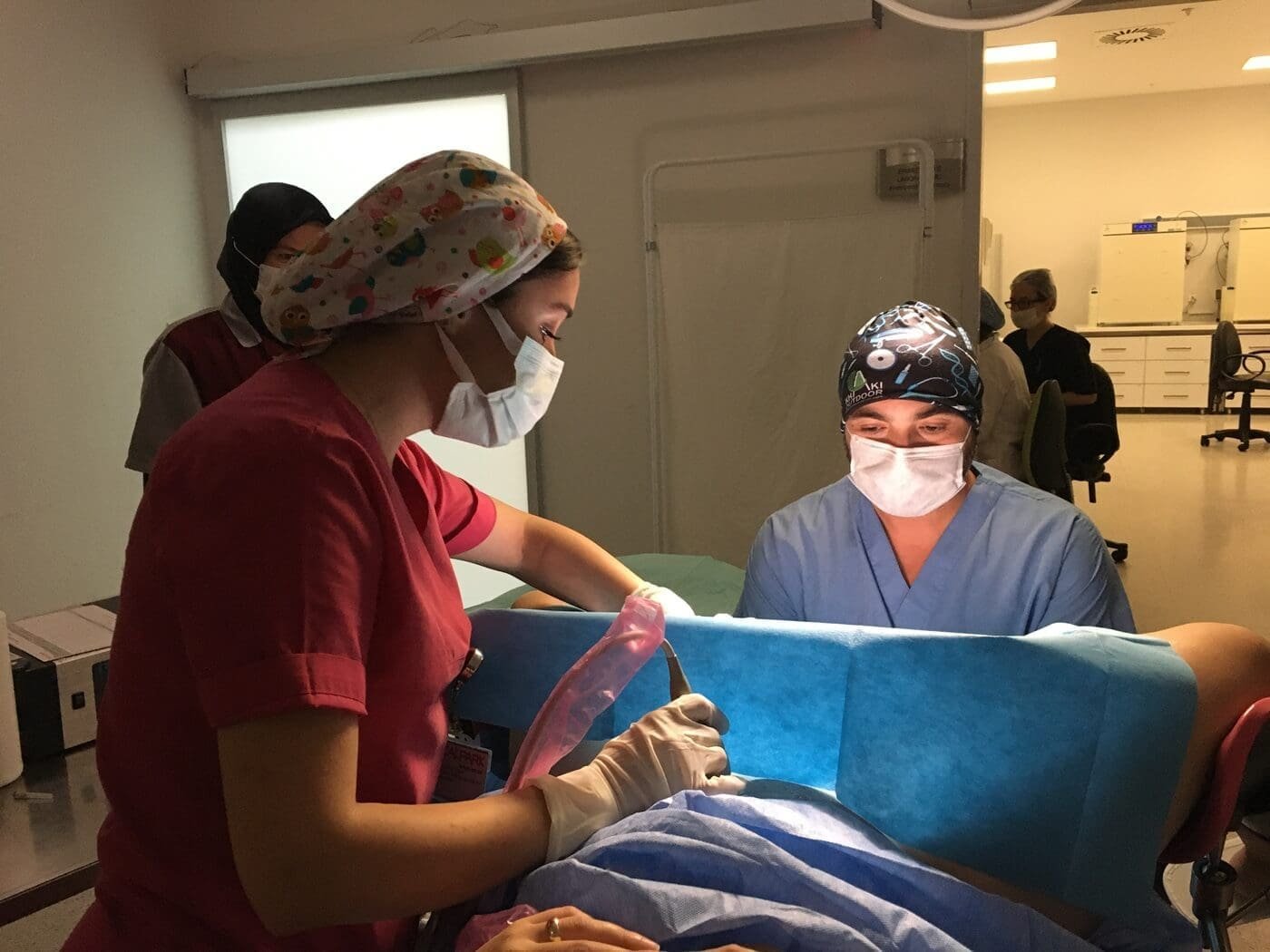
IVF Success Factors in Turkey

IVF success is influenced by many interconnected medical and biological factors. Patients often search for IVF success rates, but responsible fertility care focuses on understanding why outcomes vary rather than promising specific results. IVF treatment in Turkey follows the same medical principles as anywhere else, with success depending on individual health, diagnosis, and clinical decision-making.
This page explains the key factors that influence IVF outcomes in Turkey and why individualized evaluation is essential before setting expectations.

OUR COMMITMENT

Why IVF Success Rates Vary

There is no single success rate that applies to all IVF patients. Outcomes vary because each individual brings a unique combination of medical, biological, and lifestyle factors to treatment.
Key reasons IVF results differ include:

For this reason, ethical IVF practice avoids generalized success claims and focuses on patient-specific evaluation.


DOCTOR-LED TRUST

Age as a Key Factor in IVF Outcomes

Age is one of the most significant factors influencing IVF outcomes. As age increases, changes in egg quantity and quality can affect fertilization, embryo development, and implantation potential.
However, age alone does not determine success. Two patients of the same age may have very different ovarian reserve and hormonal profiles. Medical testing provides a clearer picture than age alone.
Age-related considerations are discussed openly during consultation to support informed decision-making.

DOCTOR-LED TRUST

Diagnosis and Medical History

The underlying cause of infertility plays a major role in IVF outcomes. IVF may be used for a range of diagnoses, including female factor infertility, male factor infertility, unexplained infertility, and combined factors.
Medical history considerations include:
Understanding the diagnosis helps guide treatment planning and expectation management.

SERVICES

Ovarian Response to Stimulation

How the ovaries respond to stimulation medication is an important factor in IVF outcomes. Response varies between individuals and cannot be fully predicted before treatment begins.

Monitoring during stimulation allows physicians to:

Adjust medication dosages

Reduce risk of complications

Optimize egg development

Careful monitoring supports patient safety and informed clinical decisions.

OUR COMMITMENT

Embryo Development and Laboratory Conditions

Embryo development depends on both biological factors and laboratory conditions. The IVF laboratory environment plays a crucial role in fertilization, embryo culture, and selection for transfer.
Laboratory-related factors include:

Not all embryos develop at the same rate, and laboratory assessment helps guide transfer decisions.
DOCTOR-LED TRUST

The Role of Medical Decision-Making

IVF outcomes are influenced by how medical decisions are made throughout treatment. Timing of egg retrieval, selection of fertilization techniques, and embryo transfer decisions all require clinical judgment.
At drgonenc.com, IVF planning and decision-making are guided by specialist evaluation under the care of Dr. Ali İhsan Gönenç, with a focus on patient safety, ethical practice, and clear communication.
Individualized decision-making helps adapt treatment to patient response rather than relying on fixed protocols.

SERVICES

Lifestyle and General Health Considerations

General health and lifestyle factors may influence fertility and IVF outcomes. While these factors do not replace medical treatment, they are often discussed as part of holistic care.
Considerations may include:
Patients are encouraged to discuss relevant health factors openly during consultation.

OUR COMMITMENT

Why IVF Outcomes Cannot Be Guaranteed

IVF is a complex medical treatment, and outcomes cannot be predicted with certainty. Even when all known factors are favorable, biological processes may not proceed as expected.
Ethical IVF practice avoids:
Instead, focus is placed on transparency, informed consent, and patient support.

DOCTOR-LED TRUST

Evaluating IVF Clinics Beyond Success Claims

Patients evaluating IVF treatment in Turkey should look beyond advertised success rates and consider broader indicators of quality and safety.
Important questions include:
These factors often provide more meaningful insight than numerical claims.

Frequently Asked Questions About IVF Success in Turkey

Age, diagnosis, ovarian response, embryo development, and medical decision-making all influence outcomes.
No. IVF outcomes cannot be guaranteed anywhere.
No clinic can ensure success. Quality care focuses on evaluation, monitoring, and ethical practice.
It may be considered, depending on individual medical factors and evaluation.
Success information should be discussed in the context of individual medical assessment rather than general statistics.
Yes. Evaluation helps determine realistic expectations and appropriate planning.

JOIN US TODAY

Making Informed Decisions About IVF in Turkey

Understanding IVF success factors helps patients approach treatment with realistic expectations and informed perspective. IVF treatment in Turkey follows the same biological principles as anywhere else, with outcomes influenced by individual health and clinical decisions.
If you are considering IVF treatment in Turkey, a medical consultation is essential to assess your situation and discuss appropriate options.